
An electric future
Electric vehicles are becoming more and more popular on the roads but what about using them for business? Will electric vans become the norm, or will business owners stick to traditional fuel types? Read on as we weigh up the options.
Many electric vans are already on the roads and working their way into businesses across the UK. They’re gathering traction but it is hard to see whether they will completely replace the fuel-powered vans we see on the roads today.
Government incentives are available to those looking to turn to electric and with the introduction of ULEZ in London, electric does seem like a viable option, there are a few things to consider though:
Costs
The cost of an electric vehicle will be higher than a petrol or diesel model. However, there are government grants available to help with the initial cost. You will also find that the running costs of electric vehicles are substantially lower, so it is a balancing act of costs.
Distance
If you travel long distances, you will have to factor in charging stops but the most common electric vans have a range of around 100 miles. This will be reduced with added weight and passengers but if you’re a local business, this shouldn’t be an issue for you.
Charging
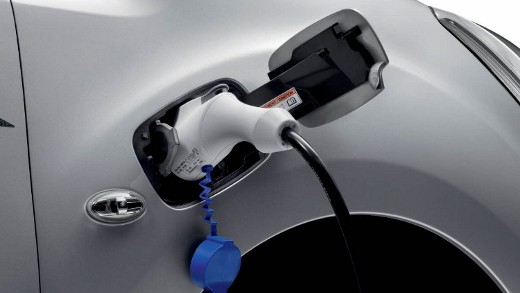
You need to make sure you have somewhere to charge your van at night or after work. The most common charging method is a wall box which will take between 4 and 8 hours to achieve a full charge. If you choose to fill up via a 3-pin socket, you’re looking at a charge time of around 12 hours. An overnight charge will cost an average of £1.50 so the cost versus traditional fuel is unparalleled.
If you are looking for a used electric van in Stanmore, get in touch with the team who will be able to help you in your search. If you want to find out more about ULEZ, you can read out blog post here.